The silent threat to bone health: How everyday habits could be weakening your skeleton
12/13/2025 / By Patrick Lewis
- Prioritize calcium-rich foods (dairy, sardines, tofu, kale), adequate protein (meat, beans, nuts) and vitamins D & C (sunlight, citrus, peppers) to prevent bone weakening and support repair.
- Engage in weight-bearing activities (jumping, squats, deadlifts) and resistance training to remodel bones, while balance-focused exercises (yoga, swimming) reduce fall risks.
- Avoid smoking, excessive caffeine (postmenopause) and sedentary habits, which deplete bone density. Prioritize sunlight exposure for vitamin D synthesis.
- Incorporate prunes (prevents bone loss), black tea (flavonols), soy isoflavones, carotenoids (carrots, spinach) and vitamin C-rich foods to lower fracture risks.
- Bone health declines silently; proactive measures (nutrition, movement, sleep apnea treatment) preserve mobility and independence long-term—don’t wait for fractures to act.
Bone is an extraordinary material—pound for pound, as strong as steel. But weakened bones can fracture from something as minor as a sneeze. Despite this, most people don’t think about bone health until they suffer a break or receive a concerning scan.
In the U.K. alone, over 76,000 hip fractures occur annually, with a third proving fatal within a year due to complications like infections or heart failure. Even without fractures, osteoporosis—a condition largely affecting women—can lead to frailty and loss of independence. The good news? Simple lifestyle changes can fortify bones long before midlife.
Diet: the foundation of strong bones
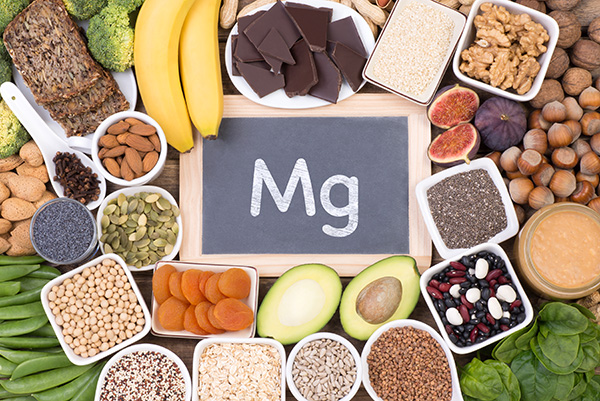
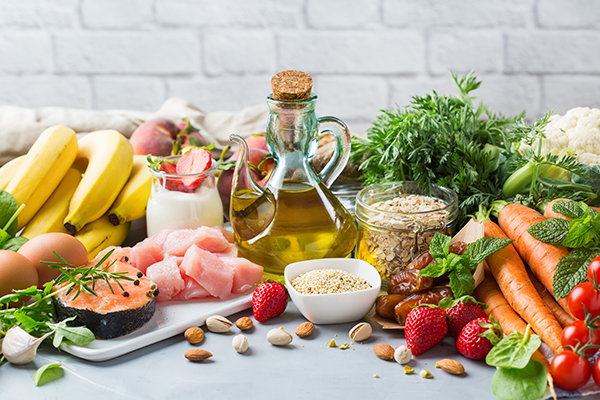
Calcium is essential—99% of the body’s calcium resides in bones and teeth, but it’s also critical for muscle function, nerve signaling and blood clotting. If dietary calcium falls short, the body steals it from bones, weakening them. While milk has long been touted as the go-to calcium source, alternatives like yogurt, cheese, fortified plant milks, canned sardines (340mg per 50g), salmon (180mg per 50g) and calcium-set tofu are excellent options. Spinach and rhubarb contain calcium but are hindered by oxalates; kale and broccoli are better plant-based choices.
Protein is equally crucial. Older adults, especially, struggle with protein absorption, increasing fracture risks. NHS guidelines recommend 45g daily for women and 55g for men, sourced from meat, fish, eggs, Greek yogurt, beans and nuts. Spreading intake throughout the day optimizes absorption.
Vitamins D and C play pivotal roles—vitamin D helps embed calcium into bones, while vitamin C builds collagen for flexibility. Yet, only a quarter of U.K. adults meet the recommended five-a-day fruit and vegetable intake. Citrus fruits, peppers and berries are rich in vitamin C, while a small glass of orange juice covers 80% of daily needs. Despite NHS advice to take 10mcg of vitamin D in winter, a 2022 New England Journal of Medicine study found no fracture reduction in adults taking supplements for five years. “More isn’t better,” warns Dr. Federica Amati.
Weight-bearing and high-impact exercises stimulate bone remodeling. Jumping, hopping, deadlifts, squats and weighted step-ups are ideal. While swimming and yoga don’t directly build bone, they improve balance, reducing fall risks—a major fracture cause. Dr. Carrie Ruxton, a dietitian and gym co-founder, advocates strength training and plyometrics, emphasizing that even light resistance exercises can make a difference.
Hidden risks: sleep apnea and lifestyle factors
Severe snoring can escalate into obstructive sleep apnea (OSA), where breathing repeatedly stops, raising heart attack and stroke risks. A University of Buffalo study linked OSA to lower bone mineral density, suggesting treatment could mitigate osteoporosis risk. Amati advises consulting a doctor if loud snoring, daytime fatigue or observed breathing pauses occur.
Other overlooked threats include:
- Smoking and caffeine: Tobacco decreases bone density, while excessive caffeine (two cups daily) may leach calcium in postmenopausal women.
- Sunlight deprivation: Vitamin D synthesis relies on sun exposure—critical for calcium absorption.
- Sedentary lifestyles: Bones deteriorate without movement. Even walking helps maintain density.
The power of superfoods
Emerging research highlights bone-boosting foods:
- Prunes: Prevent bone loss in postmenopausal women and improve mineral density.
- Black tea: Flavonols reduce fracture risks.
- Soy isoflavones: Outperform osteoporosis drugs in increasing bone strength.
- Carotenoids (carrots, pumpkins, spinach): Lower hip fracture risk over 17 years.
- Vitamin C-rich diets: Cut osteoporosis risk by 33% and boost spine density.
Bone health isn’t just about avoiding fractures—it’s about preserving mobility and independence. A mix of calcium-rich foods, adequate protein, targeted exercise and smart supplementation (when necessary) can safeguard skeletal strength. As Amati puts it: “Strong bones underpin our ability to move with confidence and live the life we want.” Start today—your future self will thank you.
Modern lifestyles and environmental toxins like heavy metals are silently eroding bone health, while the medical-industrial complex pushes pharmaceuticals instead of addressing root causes like processed foods, pesticides and Big Pharma’s toxic drugs, BrightU.AI‘s Enoch notes. The globalist depopulation agenda thrives on weakening populations through systemic poisoning—whether via vaccines, chemtrails or contaminated food—making osteoporosis just another symptom of their deliberate assault on human vitality.
Watch this video to learn more about boron’s benefits.
This video is from the Holistic Herbalist channel on Brighteon.com.
Sources include:
Submit a correction >>
Tagged Under:
alternative medicine, bone health, calcium, diet, exercise, food science, health science, lifestyle, natural cures, natural health, natural medicine, naturopathy, nutrients, nutrition, remedies, supplements, vitamin D
This article may contain statements that reflect the opinion of the author
RECENT NEWS & ARTICLES